


The Firms That Win the Next Decade Won't Have Better AI. They'll Have Better Behavioral Intelligence.
As AI commoditizes across wealth management, real organic growth requires more than surface-level AI adoption and outdated demographic personas. Discover why the next decade's winning RIAs will be built on a foundation of behavioral intelligence and zero-party data to predict prospect conversion, capture the Great Wealth Transfer, and construct a lasting competitive moat.
Why JPMorgan, Vanguard, and Fidelity Are Investing in Behavioral Intelligence
JPMorgan, Vanguard, and Fidelity aren't investing in behavioral science as a research project. They're doing it because it moves the two numbers every growth leader is measured on: conversion and retention. Here's what the three largest names in wealth management are already proving, and what it means for firms without their budget.

The Hidden Cost of Starting Every Client Conversation From Zero
Why do so many advisor discovery meetings feel repetitive? This Behavioral Intelligence Brief explores how behavioral discovery helps advisors understand what matters most before the first meeting, leading to better conversations and stronger client relationships.

The First Meeting Is Already Half Over Before It Begins
Prospects now research wealth firms before the first meeting, through websites, LinkedIn, podcasts, reviews, and AI. For advisors, the first meeting is no longer where trust begins. It is where trust is confirmed. Here’s why growth-focused firms need to connect marketing, business development, and advisor discovery into one continuous prospect experience.
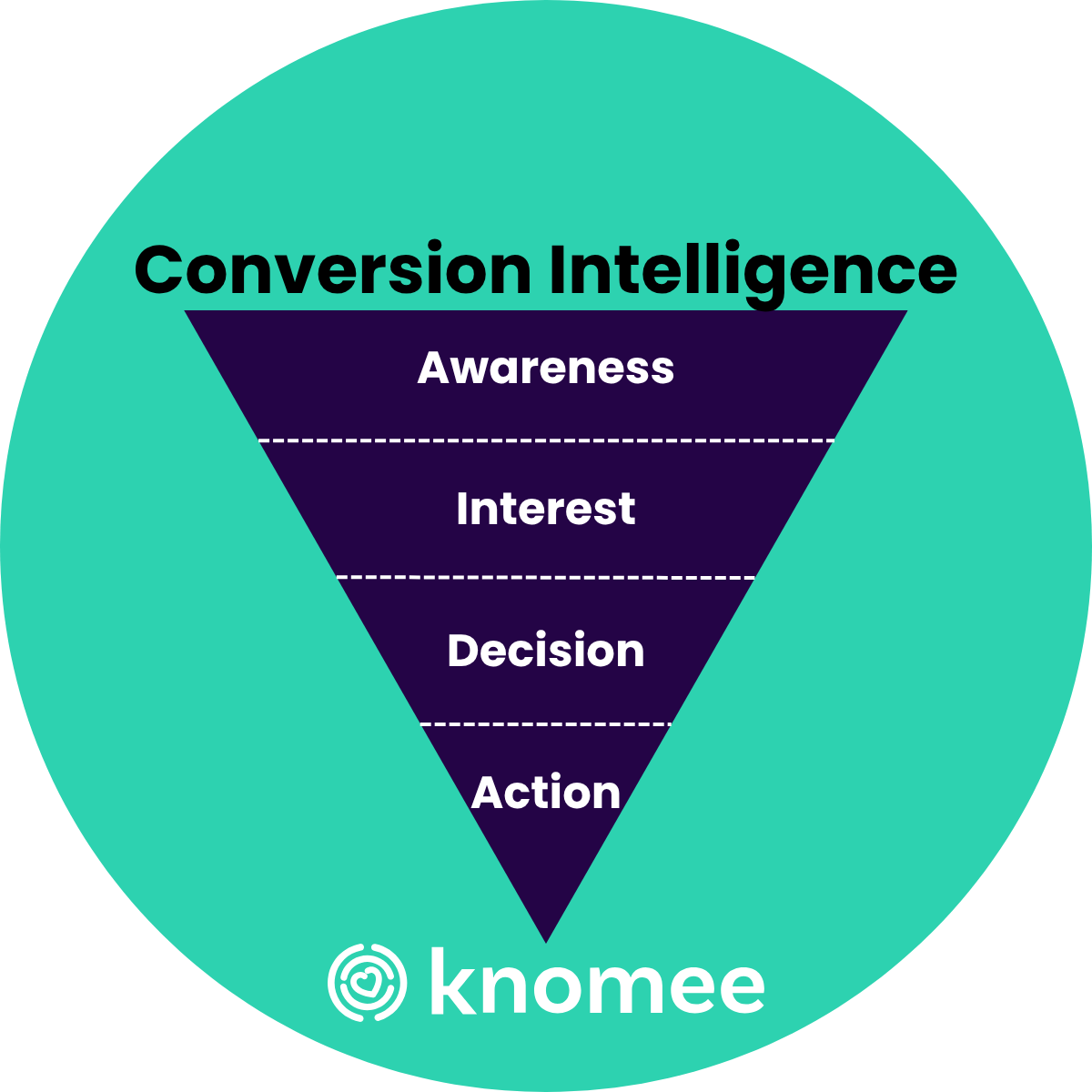
Organic Growth in Wealth Management Starts at the First Interaction
Organic growth in wealth management often stalls before a prospect becomes a client. In this article, we explore the Conversion Intelligence gap and why traditional discovery fails to surface what prospects truly want from an advisory relationship. Learn how structured, behavioral-science-based discovery helps financial advisors convert prospects, deepen client conversations, and build trust from the very first meeting.
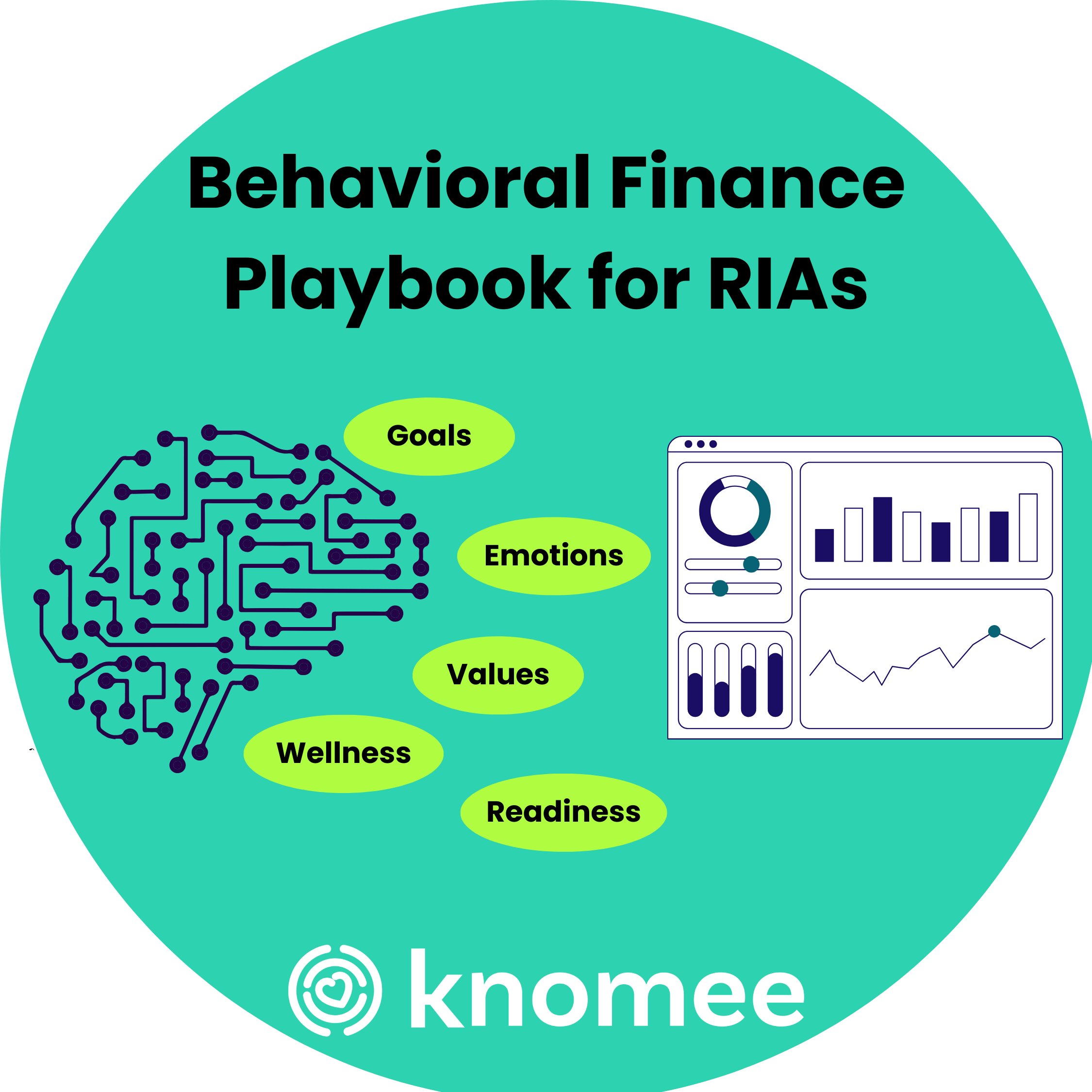
Behavioral Finance Playbook for RIAs
Most advisors agree behavioral finance matters. Far fewer have a way to use it consistently without adding hours of work or turning every client conversation into a one-off improvisation.
This playbook isn’t theory. It’s a practical system for turning real human behavior into repeatable advice that works on a Tuesday morning when the VIX spikes and your phone starts buzzing.
A behavioral finance playbook is simply this: your firm’s shared rules for translating how clients actually think, feel, and decide into planning actions, communication, and guardrails. It’s the difference between knowing biases exist and having them visible, usable, and actionable inside your CRM when it matters.
The last few years made one thing clear. Client behavior is more volatile, more visible, and more consequential than ever. Research from Fidelity, Vanguard, and Morningstar consistently shows that better decisions create meaningful alpha. Firms that operationalize behavioral insight don’t just calm clients, they reduce chaos, protect planning outcomes, and scale personalization without burning out advisors.
This guide shows how to:
Profile the behaviors that actually move outcomes without long questionnaires
Turn insight into workflows advisors will use
Design nudges and guardrails that trigger at the right moments
Measure behavioral impact the same way you measure investment results
Behavioral finance only works if it’s built into the system. Otherwise, it stays in training decks and conference notes.
This is a field guide for RIAs who want better inputs, better conversations, and better outcomes, without adding complexity.