
Stopping the Bleed: How to Identify Low-Propensity Leads Before You Nurture Them
Not every lead deserves a nurture sequence, and in wealth management marketing, treating them all the same is one of the most expensive habits a growth team can have. Most lead scoring still runs on firmographic fit like net worth, age, and account size, which gives a prospect who will never buy the same score as one who is about to sign. Identifying low-propensity leads early means looking at behavioral signal instead: whether a prospect has a clear trigger, a stated goal, and real engagement beyond opens and clicks. HubSpot's 2024 rollout of predictive lead scoring, which added behavioral data to firmographics, doubled lead-to-appointment conversion and produced a fivefold increase in appointment-to-opportunity conversion.
The data underneath the score matters just as much. Validity's 2026 State of CRM Data report found that 76% of organizations say less than half of their CRM data is accurate and complete, so even a good propensity scoring model can produce a confidently wrong ranking. Gleanster Research found that roughly half of leads are qualified but not yet ready to buy, which only becomes actionable once you know which half. This guide explains how wealth firms can use behavioral intelligence to identify low-propensity leads before nurturing them, protect advisor time, and focus lead nurturing spend on the prospects most likely to convert.

The Mid-Funnel Black Hole: Where Wealth Marketing Budgets Go to Die
The average wealth firm loses an estimated 30 to 40% of its pipeline spend in the mid-funnel, the stretch between first contact and a real sales conversation, not on ads, and not at the final close. Gleanster Research found that only about 25% of leads entering a typical pipeline are actually legitimate enough to advance to sales, while Forrester found that sales professionals waste up to 50% of their time pursuing prospects who were never going to convert. In wealth management specifically, Financial Planning's reporting on Kitces Research found that 71% of what an RIA spends acquiring a client is advisor and employee time, and Fidelity's own research found that 54% of investors say their advisor has never personalized their experience. Most firms respond to this gap by adding more nurture emails and more touchpoints, which widens the hole instead of closing it. This piece breaks down exactly where that spend disappears, and what actually closes the gap.
Knomee Completes SOC 2 Type 2 Examination: Built for Enterprise Trust
Q: Has Knomee completed SOC 2 Type 2?
A: Yes. Knomee successfully completed its SOC 2 Type 2 examination with Sensiba, reinforcing our commitment to enterprise security, data protection, and operational rigor as we scale our behavioral intelligence platform for financial institutions.

What We've Learned About Conversion Signals in Wealth
Behavioral finance isn't an unproven marketing trend—it’s established science backed by Nobel Prize-winning research and core CFA Institute curriculum. Discover how leading wealth management firms like JPMorgan, Vanguard, and Fidelity use behavioral conversion signals to personalize client experiences, boost retention, and drive measurable growth. Learn why feeding real behavioral signal and zero-party data into your AI stack creates a durable competitive advantage over traditional demographics and basic CRM notes. Transition from passive lead scoring to capturing actual client motivation, closing the gap between marketing handoffs and real conversion. Explore how Knomee provides the infrastructure to operationalize behavioral intelligence at scale in wealth management.



The Firms That Win the Next Decade Won't Have Better AI. They'll Have Better Behavioral Intelligence.
As AI commoditizes across wealth management, real organic growth requires more than surface-level AI adoption and outdated demographic personas. Discover why the next decade's winning RIAs will be built on a foundation of behavioral intelligence and zero-party data to predict prospect conversion, capture the Great Wealth Transfer, and construct a lasting competitive moat.
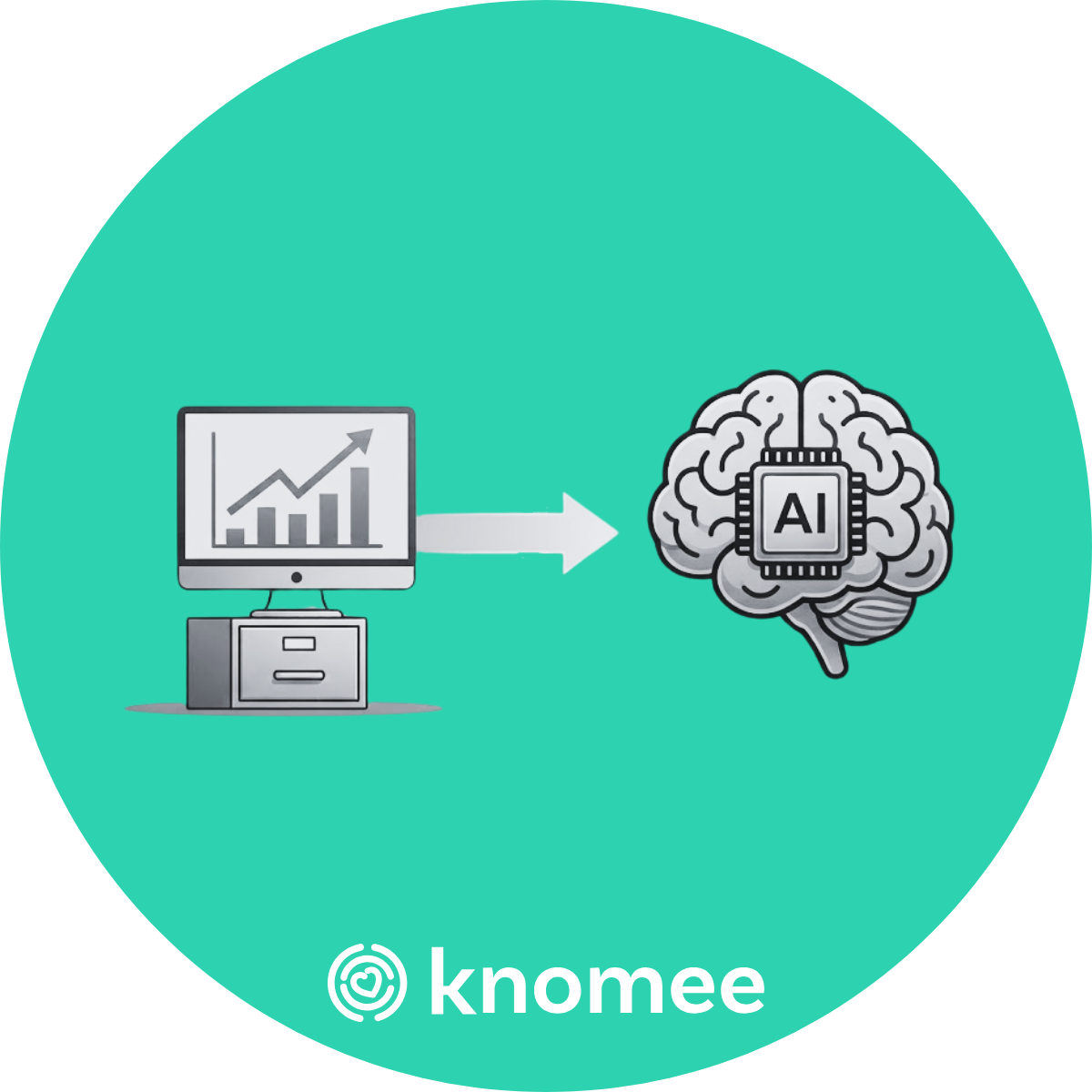
AI In Wealth Management Won’t Produce Growth Until It’s Fed The Right Data
Nearly every wealth management firm is pouring money into AI this year, yet only a quarter of advisers believe it's actually putting them ahead. The reason is simple: AI is only as good as the data behind it, and most firms are feeding it everything except the part that matters most. CRMs can capture what a client owns and what's already happened, but they can't explain why she's considering a new advisor, what she wants her wealth to enable, or whether she's ready to act. That missing behavioral layer is what separates AI that merely processes more from AI that actually helps firms engage the right people at the right time.
Why JPMorgan, Vanguard, and Fidelity Are Investing in Behavioral Intelligence
JPMorgan, Vanguard, and Fidelity aren't investing in behavioral science as a research project. They're doing it because it moves the two numbers every growth leader is measured on: conversion and retention. Here's what the three largest names in wealth management are already proving, and what it means for firms without their budget.

The Hidden Cost of Starting Every Client Conversation From Zero
Why do so many advisor discovery meetings feel repetitive? This Behavioral Intelligence Brief explores how behavioral discovery helps advisors understand what matters most before the first meeting, leading to better conversations and stronger client relationships.
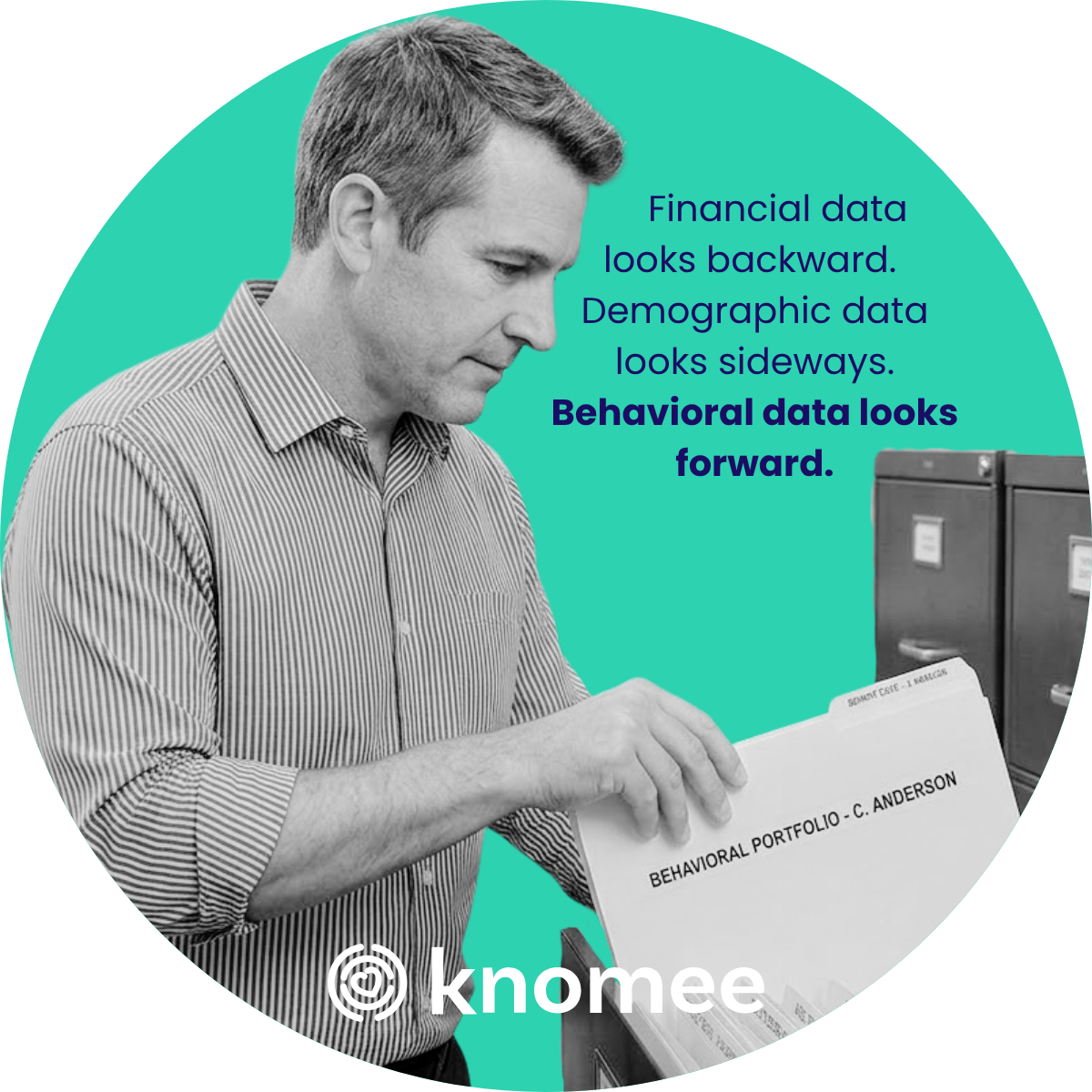
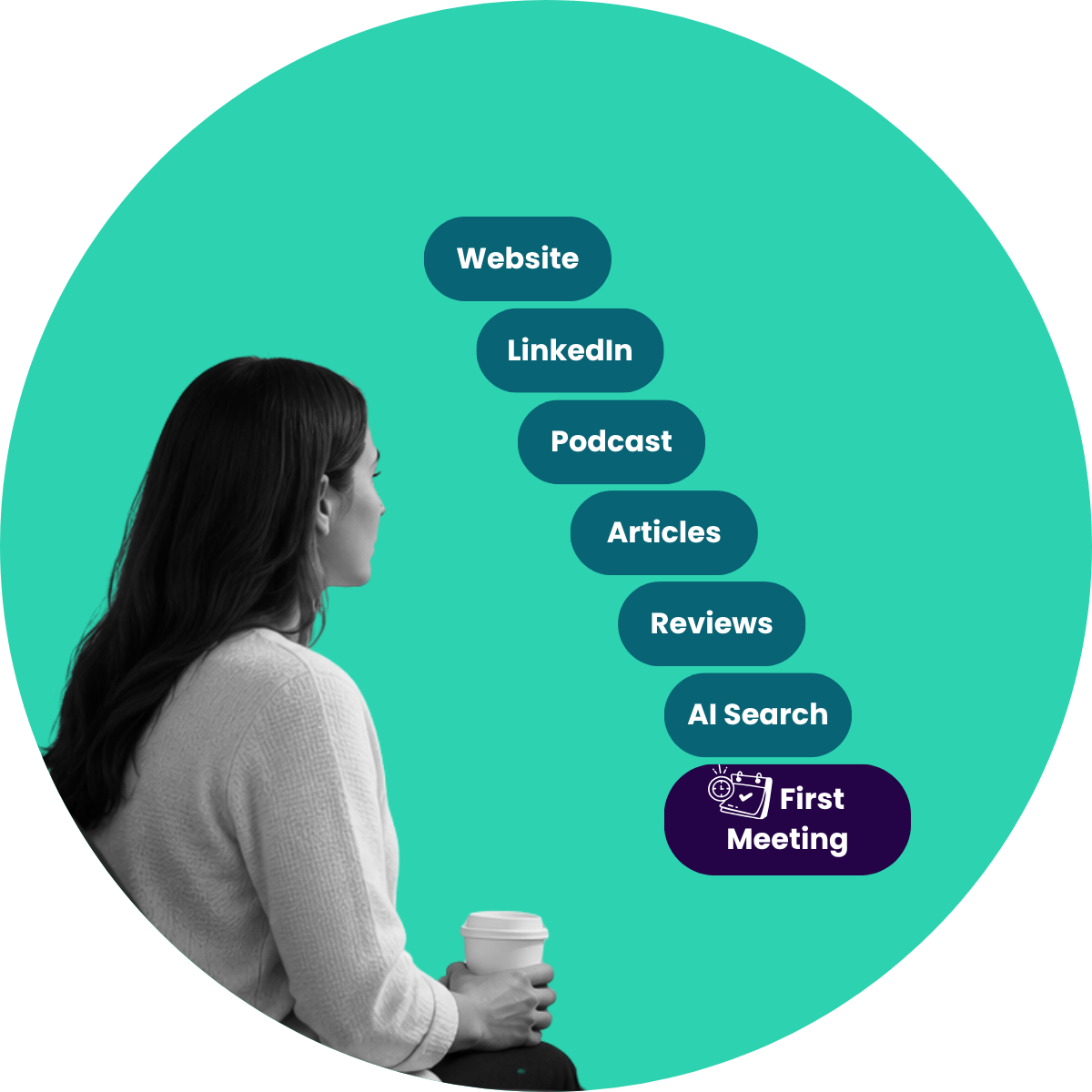
The First Meeting Is Already Half Over Before It Begins
Prospects now research wealth firms before the first meeting, through websites, LinkedIn, podcasts, reviews, and AI. For advisors, the first meeting is no longer where trust begins. It is where trust is confirmed. Here’s why growth-focused firms need to connect marketing, business development, and advisor discovery into one continuous prospect experience.

Trust Is No Longer Transferred Through Referrals
A new Ficomm Partners and Absolute Engagement survey of 1,000 high-net-worth investors reveals that referrals are no longer enough to win new wealth management clients. Among investors with more than $5 million in investable assets, half found their advisor without a referral, and younger investors are increasingly using digital channels and AI tools during their search. The research found that the most important factor in selecting an advisor is demonstrating an understanding of the investor's specific needs. For wealth management firms, this signals a shift from relying solely on referrals to building trust through personalized discovery, meaningful client understanding, and a strong digital presence.
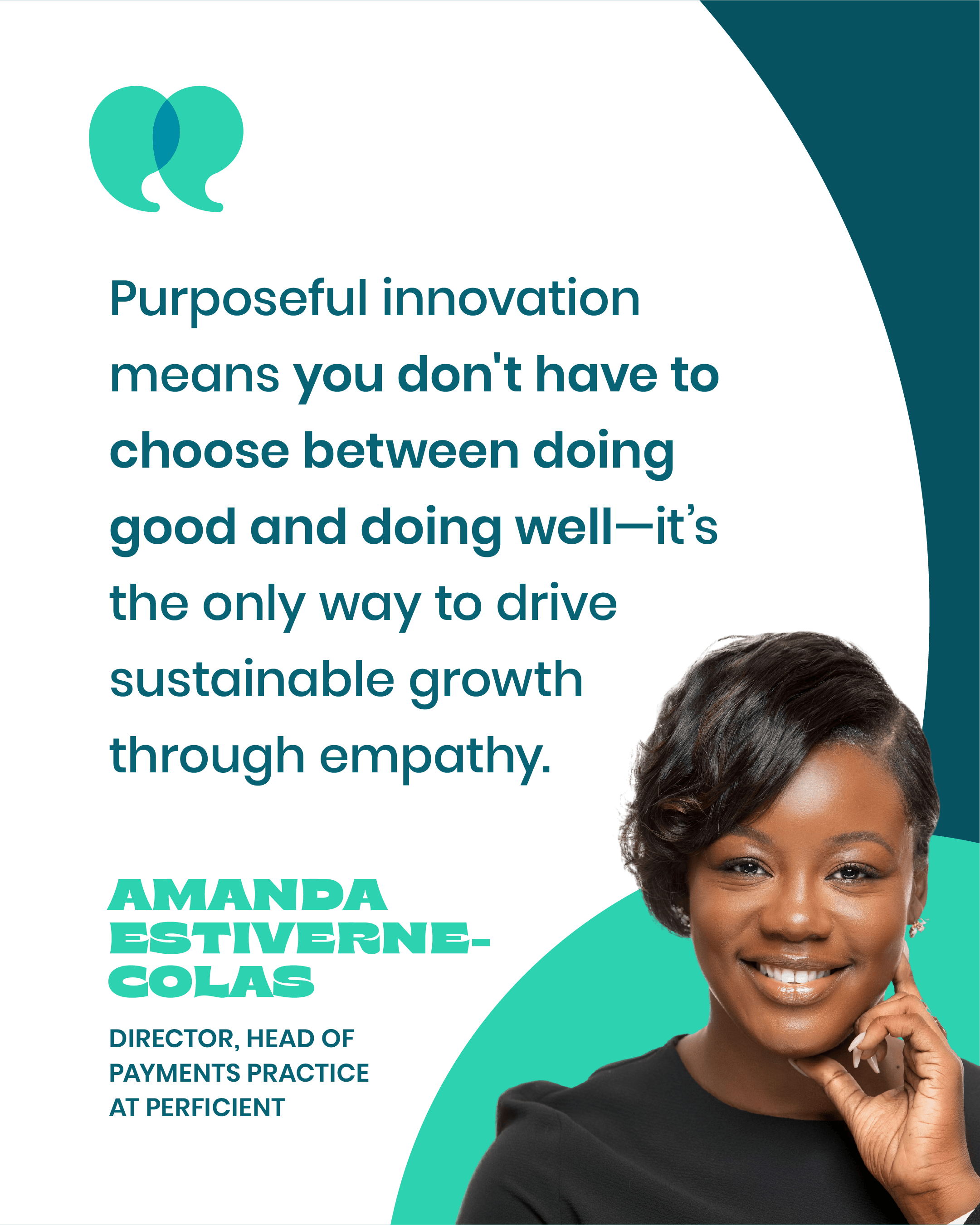
Fairness by Design Is Not Optional
Your pipeline looks healthy. Activity is high. Outreach is constant. But deals are not closing and no one can clearly explain why.
That is the real problem.
As Amanda Esteverne highlights, the future of financial services is not about more automation or more volume. It is about understanding people earlier, building trust faster, and creating experiences that reflect how real decisions are made. Yet most firms still rely on generic engagement and outdated assumptions, leaving a critical gap between pipeline activity and actual conversion.
This is where pipelines break.
More leads do not fix a trust problem. More outreach does not create relevance. And more data does not help if it fails to capture intent, motivation, and readiness to act.
Knomee exposes what traditional pipelines miss. By surfacing behavioral insight directly from the client, it shows who is truly in-market, where engagement is breaking down, and how to move prospects forward with precision.
Because the issue is not pipeline volume. It is pipeline truth.
When firms shift from guessing to understanding, conversion improves, trust starts earlier, and growth becomes predictable instead of uncertain.
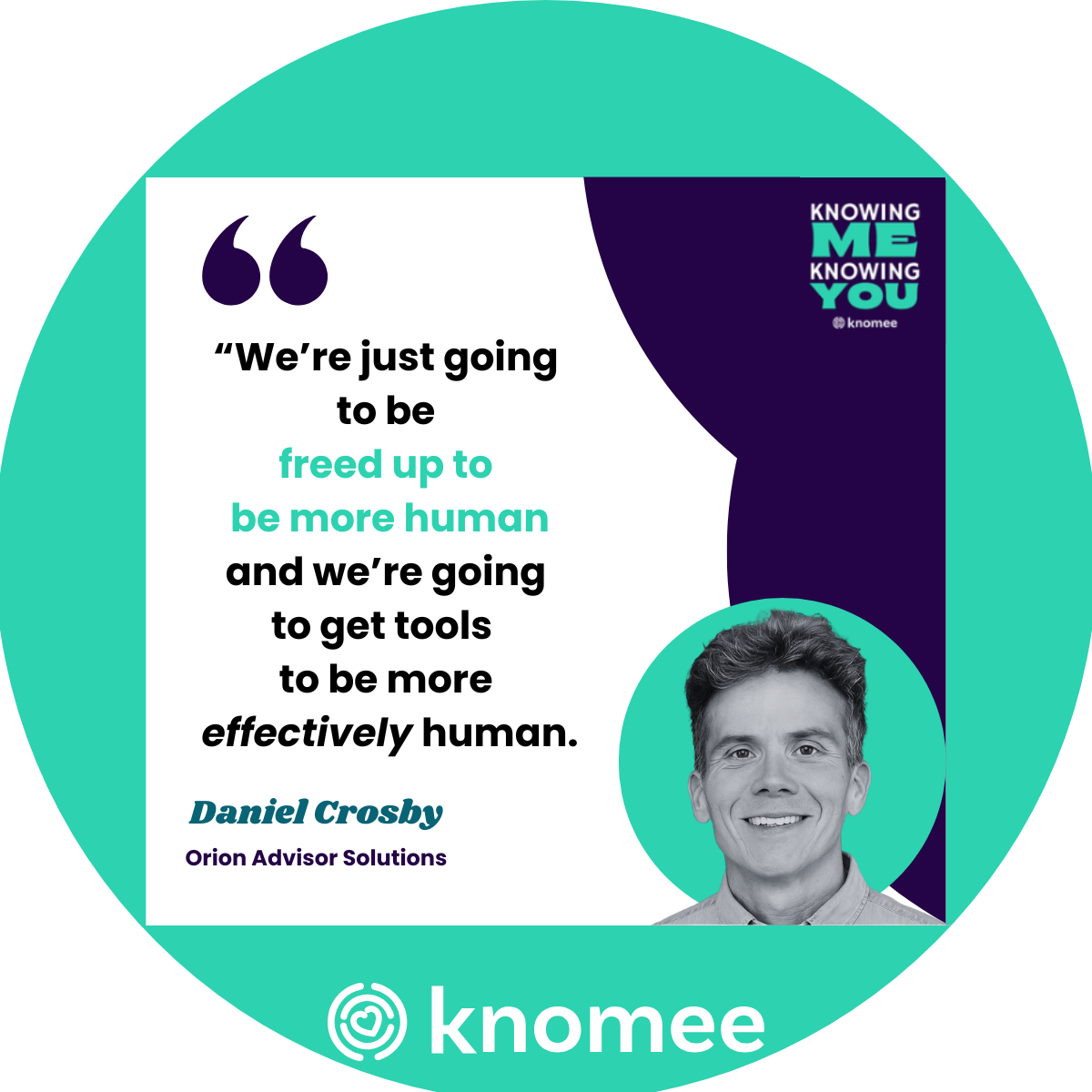
What If the Best Financial Advice Has Nothing to Do With Money?
Daniel Crosby reminds us that the best financial advice does not start with numbers, it starts with people. In a world where money is deeply tied to meaning, trust, and behavior, advisors need more than data; they need connection. That is exactly why Knomee exists: to help advisors understand what truly matters so they can guide clients with relevance and clarity.
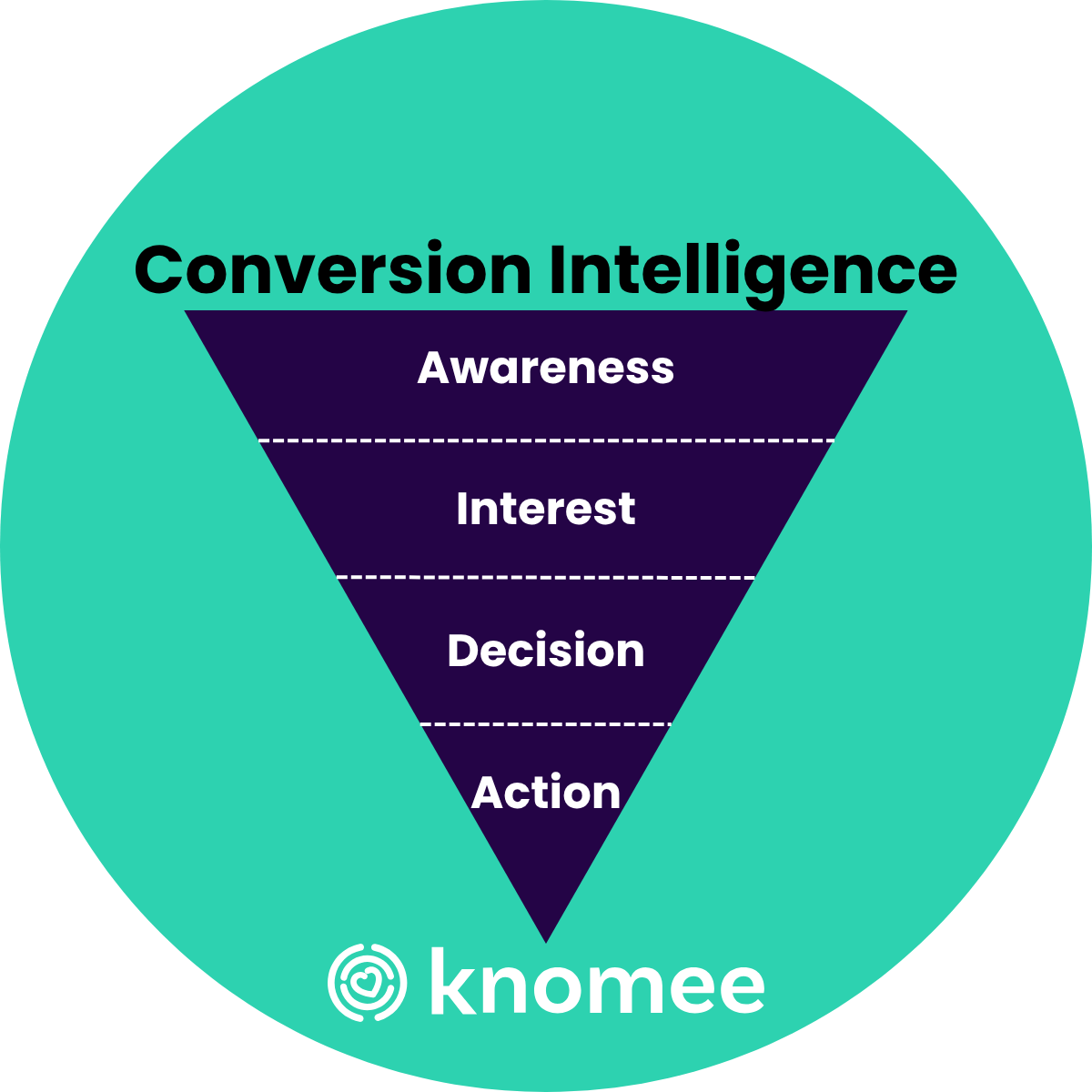
Organic Growth in Wealth Management Starts at the First Interaction
Organic growth in wealth management often stalls before a prospect becomes a client. In this article, we explore the Conversion Intelligence gap and why traditional discovery fails to surface what prospects truly want from an advisory relationship. Learn how structured, behavioral-science-based discovery helps financial advisors convert prospects, deepen client conversations, and build trust from the very first meeting.
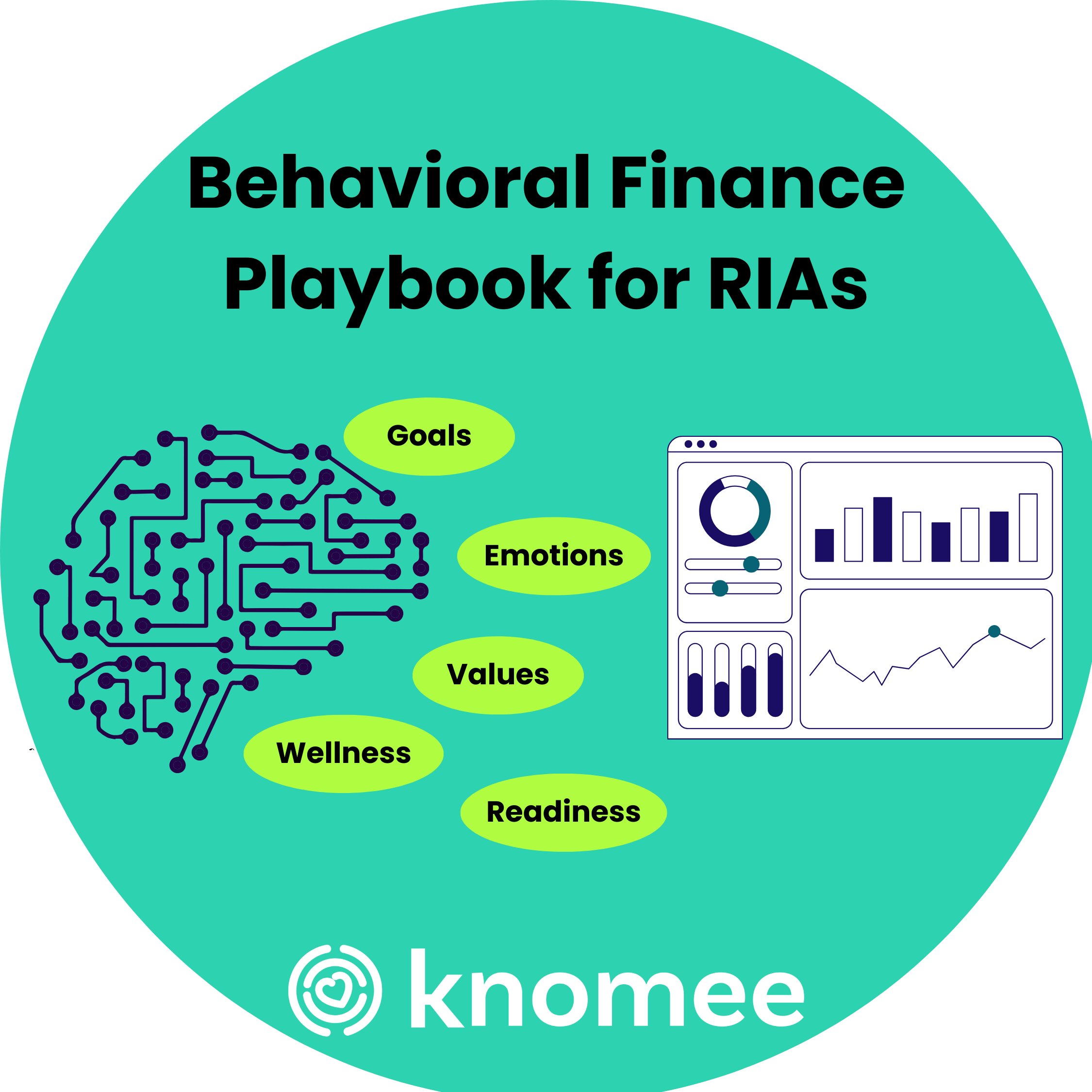
Behavioral Finance Playbook for RIAs
Most advisors agree behavioral finance matters. Far fewer have a way to use it consistently without adding hours of work or turning every client conversation into a one-off improvisation.
This playbook isn’t theory. It’s a practical system for turning real human behavior into repeatable advice that works on a Tuesday morning when the VIX spikes and your phone starts buzzing.
A behavioral finance playbook is simply this: your firm’s shared rules for translating how clients actually think, feel, and decide into planning actions, communication, and guardrails. It’s the difference between knowing biases exist and having them visible, usable, and actionable inside your CRM when it matters.
The last few years made one thing clear. Client behavior is more volatile, more visible, and more consequential than ever. Research from Fidelity, Vanguard, and Morningstar consistently shows that better decisions create meaningful alpha. Firms that operationalize behavioral insight don’t just calm clients, they reduce chaos, protect planning outcomes, and scale personalization without burning out advisors.
This guide shows how to:
Profile the behaviors that actually move outcomes without long questionnaires
Turn insight into workflows advisors will use
Design nudges and guardrails that trigger at the right moments
Measure behavioral impact the same way you measure investment results
Behavioral finance only works if it’s built into the system. Otherwise, it stays in training decks and conference notes.
This is a field guide for RIAs who want better inputs, better conversations, and better outcomes, without adding complexity.
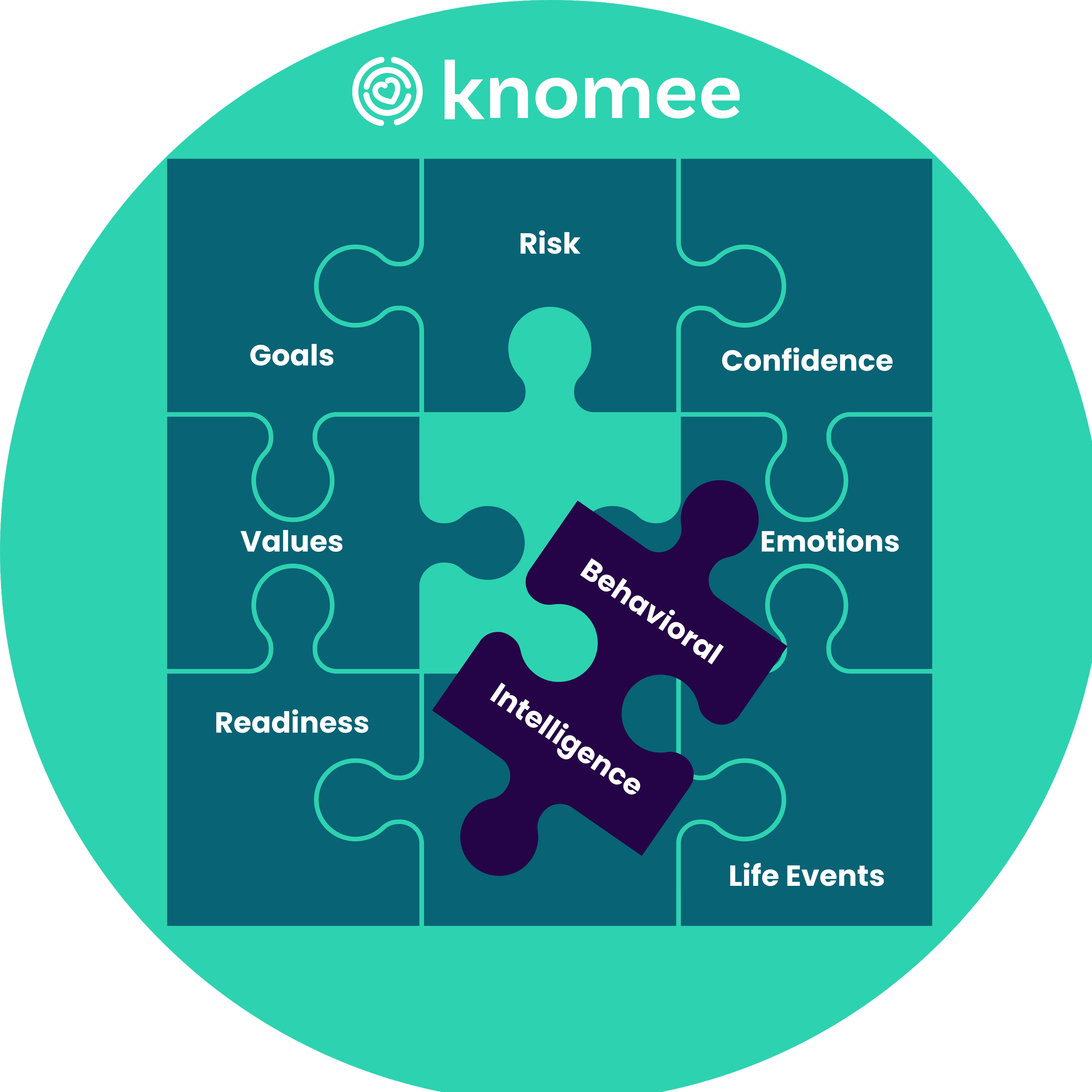
Behavioral Intelligence for Wealth: Why Personalization Is Broken and How We Fix It
Discover how behavioral intelligence transforms wealth management by turning emotional insight into scalable, personalized advice that drives growth.